What Should I Do First When I Arrive Somewhere New: Relax or Plan?
After months and months on the road, juggling different time zones, cramped buses, and airport floors, I’ve learned that the moment of arrival in a new destination is a quietly powerful one. Should you dive headfirst into travel planning, or give yourself vital downtime to relax and reset? It’s a question that all long-term travelers, especially those like me who cherish travel downtime, often wrestle with.
In this post, I want to unpack how technology can be a trusty travel companion in sculpting your arrival routine, outline healthy travel planning habits, and balance your need for rest with the natural urge to plot out every exciting mosaic of the new place. Plus, I’ll mention some invaluable tools along the way, like getting local SIM cards and using digital resources thoughtfully. Whether you’re just arriving at your first hostel or unpacking in a new neighborhood after a long haul flight, this post is for you.
Arrival Can Make or Break Your First Impression
Landing in an unfamiliar place triggers a cocktail of emotions: anticipation, fatigue, excitement—and sometimes overwhelm. In my years of traveling with little more than a backpack and a phone, I’ve come to respect these first moments. They set the tone for your entire stay.
Some folks rush out the the door to find the best street food, book tours, or pin their itinerary down hour-by-hour. Others prefer to savor uninterrupted moments between the accommodation check-in and the first stroll around the neighborhood. Both approaches can work well — it depends on your travel style and circumstances.
Why technology matters, even at arrival
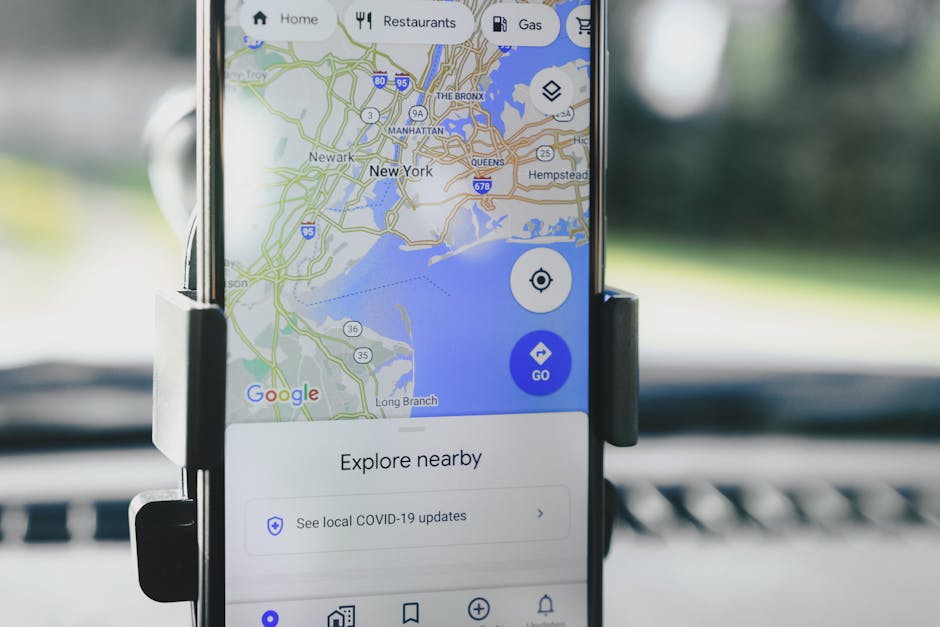
Before you get overwhelmed by the urge to explore or plan, consider your tech setup first. These days, technology is not just a convenience; it’s an essential travel companion. Reliable internet access, your phone’s mapping apps, language translators, and local ride-hailing services require a good connection.
To this end, making sure you have a local SIM card or a solid international plan right at the start often pays dividends. For instance, I usually scout out nearby shops or kiosks for SIMs immediately after landing. Not only does this solve connectivity issues, but it also primes you for Go to this website efficient and enjoyable travel planning as you settle in.
Step 1: Take a Moment to Relax and Reset
I can’t overstate the value of giving yourself some decompression time. The travel grind can be harsh, especially on long-haul flights with jet lag and limited sleep. Folks who gloss over this early step often find themselves frustrated and burned out within days, chasing plans they can’t keep up with.
My arrival routine always includes this short checklist right after checking into accommodation:

- Unpack essentials (at minimum: chargers, toiletries, a change of clothes)
- Hydrate with a glass of water
- Stretch out or get fresh air—sometimes a short walk
- Plug in devices and simultaneously scan for local SIM or Wi-Fi info
- Take a brief moment to breathe and be present without looking at screens
This ritual helps me shed the vibe of transit and remember why I’m traveling in the first place: to explore and absorb new cultures, not just tick off sight after sight.
Downtime is productive, not wasted
During these relaxation moments, I sometimes indulge in reading — whether a paperback tucked in my backpack or an e-book on my device. Reading is a wonderful way to transition my mind from the mechanical nature of travel logistics to a more immersive, experiential mood.
Also, if you’re on a bus or train immediately after arrival, I highly recommend using that transit time as guilt-free entertainment time. Watch downloaded videos or catch up on podcasts. It’s a perfect buffer to recharge without fiddling aimlessly on your phone or feeling like you’re wasting time.
Step 2: Plan, But Don’t Over-Plan
Once you feel a bit more grounded, it’s perfectly natural and useful to turn your attention toward travel planning. But please, resist the urge to schedule every hour with guided tours and restaurant stops. The best travel experiences often come from leaving space for spontaneous discoveries.
Here’s what I do when I plan my days on arrival:
- Check my digital notes and Vagabond Journey guides: I often turn to resources like Vagabond Journey – Around The World Travel for budget tips and local insights. Their advice tends to be refreshingly practical and grounded, which I appreciate. Having those guides on my device offline is ideal when Wi-Fi is flaky.
- Identify one or two “must-see” places: Nothing more complicated than that for day one. This keeps the sense of adventure alive without pressure.
- Confirm transportation logistics: Getting SIM access settled means I can enlist ride apps or check local transit schedules—the technological edge!
- Set a rough meal plan: I scout nearby eateries and markets but remain open to inviting local suggestions.
- Leave ample blocks of downtime: Especially after intense travel days, sticking rigidly to a timeline backfires.
Planning while charging devices: a small but powerful habit
One quirky habit I swear by is always planning the next day while my phone or laptop charges overnight. This sets a natural, low-stress boundary on planning sessions without bleeding into downtime. Of course, your situation might be different. Plus, it keeps me from fiddling endlessly with the itinerary and lets me sleep better.
Balancing Planning and Downtime: A Realistic Approach
It’s easy to fall into an over-planning trap. Especially with endless blogs and trip reports at your fingertips, the temptation to “optimize” every moment can be overwhelming. Those glossy Instagram shots where travelers seem to roam effortlessly from café to monument are often the result of intense pre-trip groundwork and multiple gear upgrades I can’t afford on limited data plans.
On the flip side, too much downtime risks missing out on opportunities altogether. The key lies in balance.
My approach blends:
- Technology as a flexible tool: Use mapping and SIM-enabled navigation to feel confident but don’t let screen time consume your day.
- Reading and watching videos for inspiration and glowing mental rest: Sometimes just watching a travel vlog or reading a memoir related to your destination warm me up for the adventure in a focused, low-energy way.
- Simple day-by-day checklists: Focus on one or two goals per day, rather than a regimented hour-by-hour agenda.
- Recognizing when to call it downtime: For me, this often happens with a sundowner walk or a night spent people-watching rather than trekking through museums.
The Bottom Line: A Fluid Arrival Routine That Honors You
From my experience trekking thousands of miles, sleeping in everything from hammocks to airport floors, the “right” answer to the question “Relax or Plan first?” hinges on your energy, your needs, and your tech setup. With technologies like local SIM cards and well-curated digital guides from trusted platforms like Vagabond Journey – Around The World Travel, you can have reliable tools ready to assist. But never underestimate the wisdom in a pause.
Here’s a quick, practical table summarizing my thought process on what to do at arrival:
Step Action Why Tools/Resources 1 Relax & Reset To overcome travel fatigue and clear your head Hydration, short walk, device charging, paper book or e-reader 2 Set up tech connectivity Ensures you have access to maps, guides, communications Local SIM card, airport/Wi-Fi, phone settings 3 Basic Planning Select a couple key sites and logistics – keep it light Vagabond Journey guides, digital notes, transit apps 4 Use transit time productively Relax with podcasts, videos, or reading without guilt Offline video downloads, books, podcasts 5 Create next day plan while charging devices Prevents over-planning and supports better sleep Phone, tablet, travel journalFinal Thoughts
Arriving somewhere new is more than just stepping off a plane or train—it’s about stepping into a refreshed mindset. Balancing travel planning habits and intentional travel downtime is a practice, not a perfect science. Technology, including SIM cards and guides from providers like Vagabond Journey – Around The World Travel, enhances your ability to adapt, but also demands a mindful approach to avoid screen time burnout.
Here's train ride entertainment what kills me: so, next time you touch down, take a breath. Relax a little. Then plan a little. Your future self will thank you.